
Developing Sustainable Eating Systems for Busy Professionals
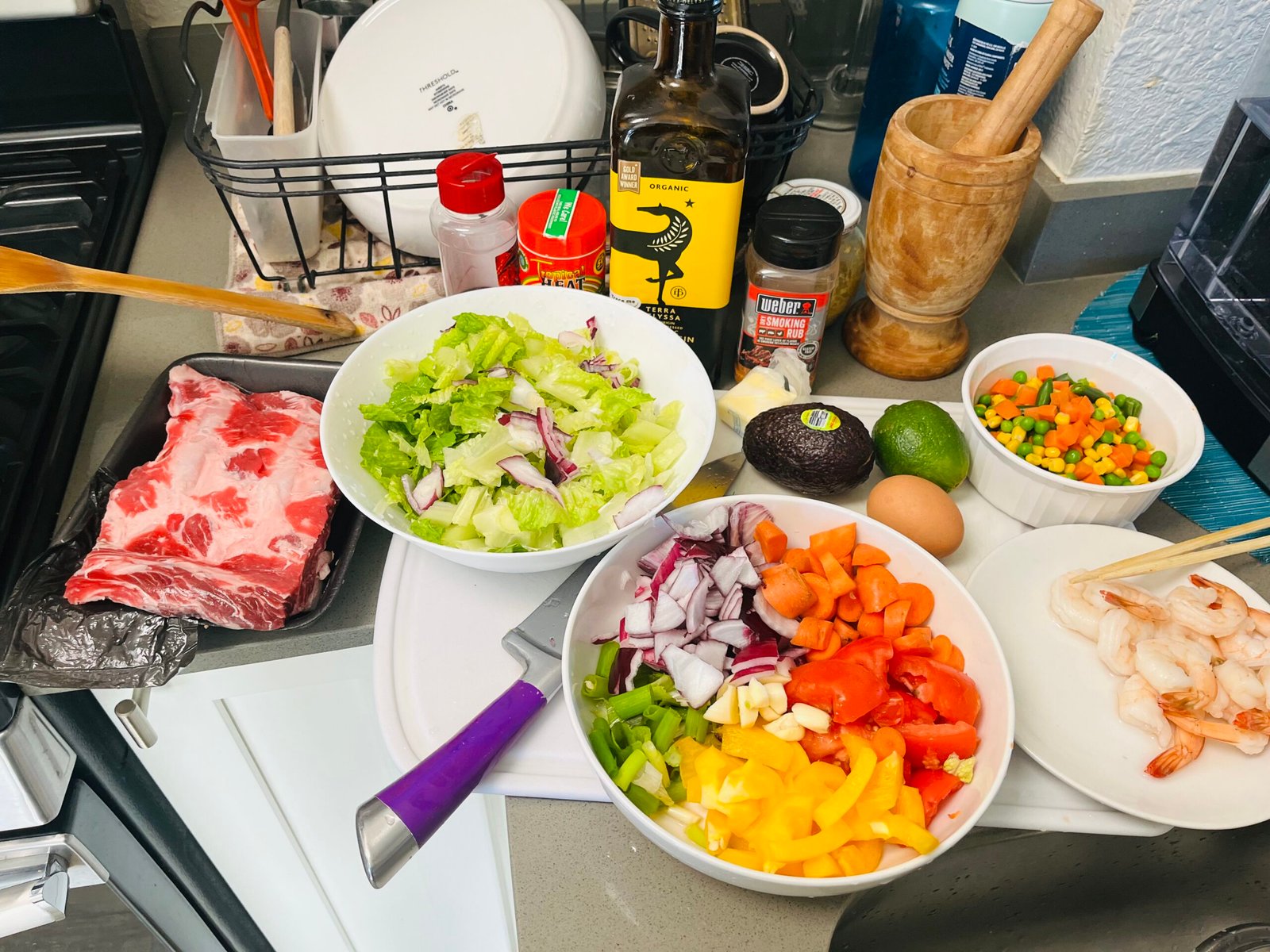
Balancing a demanding academic pursuit with multiple professional commitments often leaves little time for meal planning and preparation. Many individuals in similar circumstances find themselves facing the frustration of a fully stocked fridge yet feeling as though there is nothing suitable to eat, or experiencing Sunday dread over the upcoming week’s meal preparations.
The Importance of Practical Strategies
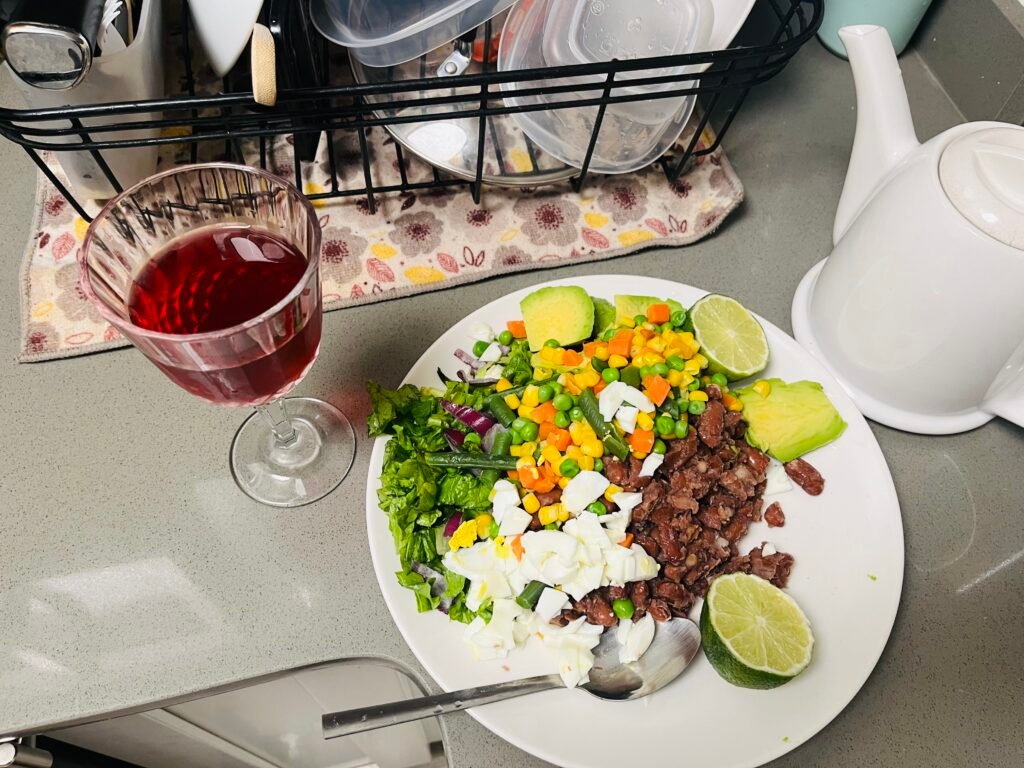
Achieving a healthy diet does not necessitate perfection but rather the implementation of practical, sustainable systems. These strategies aim to streamline meal choices, reduce decision fatigue, and promote consistent nutritional habits despite a busy schedule.
Key Principles for Sustainable Eating
- Meal Planning: Dedicate a specific time weekly to plan meals, focusing on versatile ingredients that can be used across multiple dishes.
- Batch Cooking: Prepare large quantities of nutritious foods in advance to minimize daily cooking time and ensure availability of healthy options.
- Simple Recipes: Opt for straightforward recipes that require minimal ingredients and preparation, reducing barriers to healthy eating.
- Smart Shopping: Create shopping lists based on planned meals to avoid impulse purchases and ensure all necessary ingredients are on hand.
- Flexible Frameworks: Develop adaptable meal templates that can accommodate varying schedules and ingredient availability.
Implementing These Principles
In integrating these foundational practices into daily routines, individuals can cultivate an environment conducive to healthier eating habits. This approach emphasizes consistency over perfection, fostering long-term sustainability amid the complexities of professional life.
Leave a Reply