
A personal reflection on slow living, genuine people, and the quiet magic of America’s middle
The Move That Changed Everything
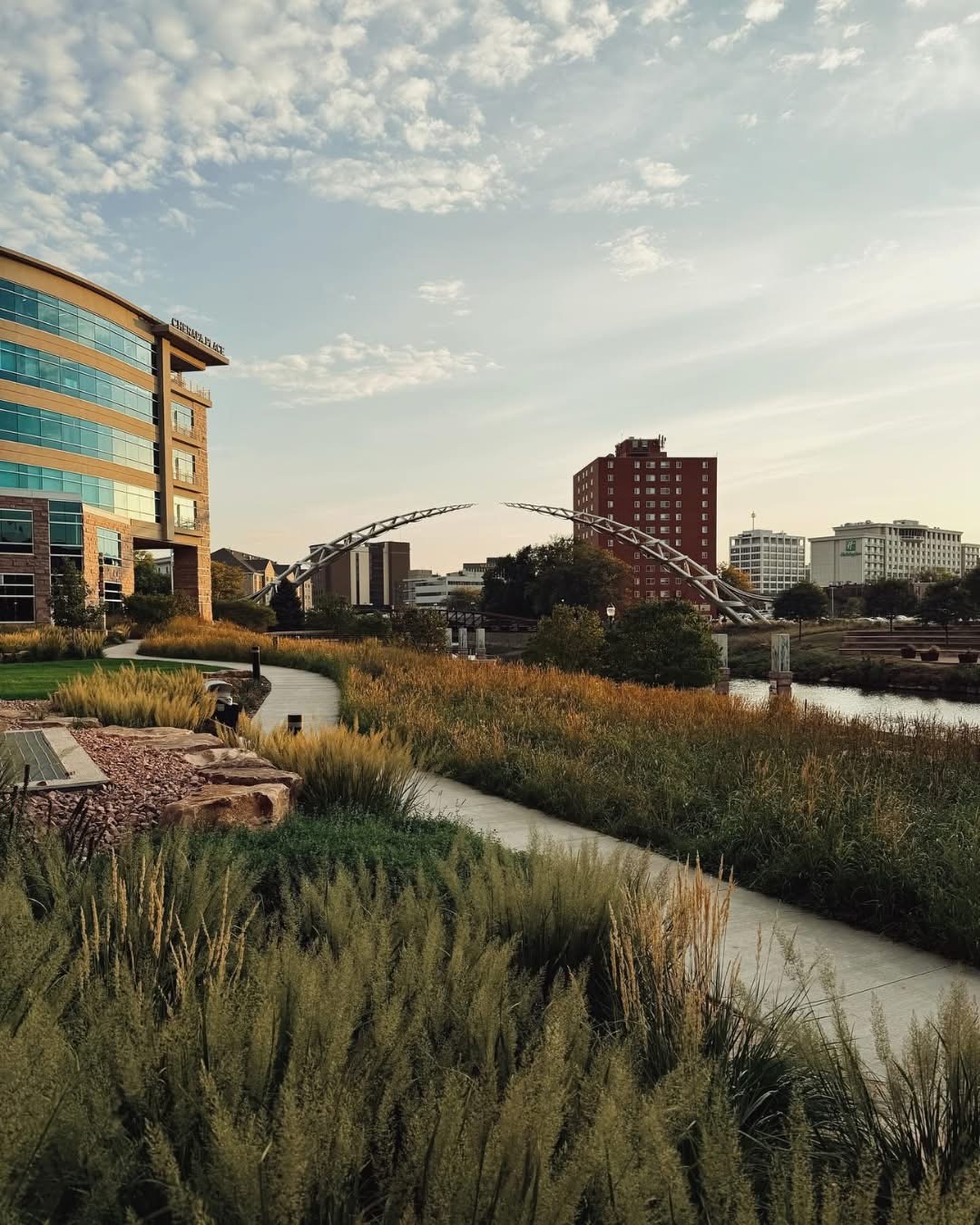
I still remember the day I packed up my life and pointed my car toward the middle of the country. I didn’t know what to expect. The Midwest, to me, was flyover country—a place you passed through, not a place you lived. I was wrong. So beautifully, completely wrong.
What I found wasn’t a void between coasts. I found a region with its own rhythm, its own soul, and a kind of hospitality that doesn’t make it into travel brochures because it can’t be staged. It has to be experienced.
The Seasons Will Teach You Patience
Living in the Midwest means making peace with extremes.
Winter arrives like a guest who overstays their welcome. The first snowfall is magical—everything goes quiet, the world turns monochrome and soft. By February, you’re questioning your life choices. But then you learn the Midwest secret: winter is when communities get creative. You find the cozy coffee shops, the underground music venues, the potlucks that turn strangers into family. You learn that -10°F with wind chill builds character (and gives you great stories).
Spring is a resurrection. After months of gray, the sudden explosion of green feels like a personal gift. You see why people here talk about spring like it’s a religious experience. The farmers’ markets return. Neighbors emerge from hibernation. Porches fill with rocking chairs and conversation.
Summer is lush, humid, and unapologetic. Fireflies turn backyards into constellations. County fairs become pilgrimage sites. There’s something sacred about a Midwest summer evening—the air thick with cicada song, the sky painted in watercolor gradients, the smell of cut grass and charcoal grills. You learn to slow down because the heat demands it.
Fall is the region’s love letter to itself. The hardwood forests explode into reds and golds that rival any New England postcard. Apple orchards. Hayrides. High school football under Friday night lights. Pumpkin patches that are actual working farms, not Instagram sets. You understand why people drive hours just to watch leaves change.
The People Are the Real Geography
Here’s what nobody tells you about the Midwest: the landscape is flat, but the people have depth.
“Midwest nice” isn’t a myth—it’s a social contract. It’s the stranger who helps you dig your car out of a snowbank. It’s the neighbor who drops off a casserole when they hear you’re sick, no questions asked. It’s the cashier at the grocery store who remembers your name and asks about your mom’s surgery.
At first, I found it suspicious. Why is everyone so nice? What’s the angle? There is no angle. There’s just a cultural value placed on looking out for each other, on being decent because decency is its own reward.
I’ve had deeper conversations with strangers at gas stations in rural Iowa than I’ve had with colleagues I’ve worked with for years on the coasts. There’s an absence of pretense here. Nobody is trying to be the main character. Everyone is just trying to be good neighbors.
The Pace Will Recalibrate You
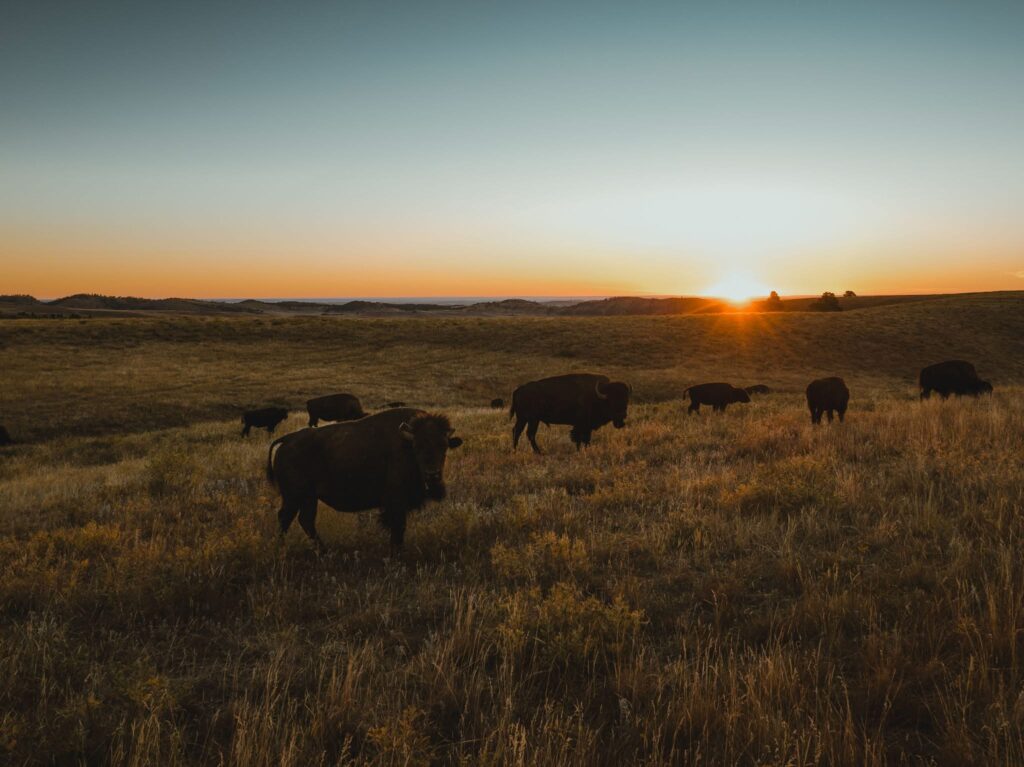
I came from a place where “busy” was a personality trait and hustle was a religion. The Midwest slowed me down—not by forcing me, but by showing me there was another way.
People here take lunch breaks. They leave work at 5 PM. They spend Saturdays at the lake, not catching up on emails. They understand that a “good life” isn’t measured in productivity metrics but in the quality of your relationships and the peace in your home.
The first time someone told me, “We’re not in a hurry,” I felt actual panic. Now? I say it myself. I’ve learned that urgency is often an illusion, and that the best conversations happen when nobody is watching the clock.
The Food Is Humble and Honest
Midwest cuisine won’t win Michelin stars, and it doesn’t try to. What it will do is feed your soul.
I’ve learned the theology of the hotdish (it’s not a casserole—don’t call it that). I’ve developed opinions on which state makes the best cheese curds. I’ve eaten sweet corn so fresh it didn’t need butter. I’ve sat at church basement potlucks with folding tables covered in Crock-Pots and learned that love, in the Midwest, is often expressed through Jell-O salads and Lutheran meatballs.
The food here tells a story of agricultural abundance, immigrant roots, and making something satisfying from simple ingredients. It’s not about trends. It’s about tradition.
The Quiet Will Grow On You
I used to need noise. City sounds. Background music. Constant stimulation. The Midwest taught me to hear silence differently.
Drive thirty minutes outside any Midwest city and you’re in farmland that stretches to the horizon. The sky here is bigger. The stars are brighter. On summer nights, you can hear corn growing—a soft, rustling whisper that sounds like the earth breathing.
There’s a stillness that isn’t empty. It’s full. Full of possibility, of reflection, of the kind of mental space that creativity needs. I do my best thinking on long drives down two-lane highways, watching red barns and silos roll past like a meditation.
What I’ve Learned
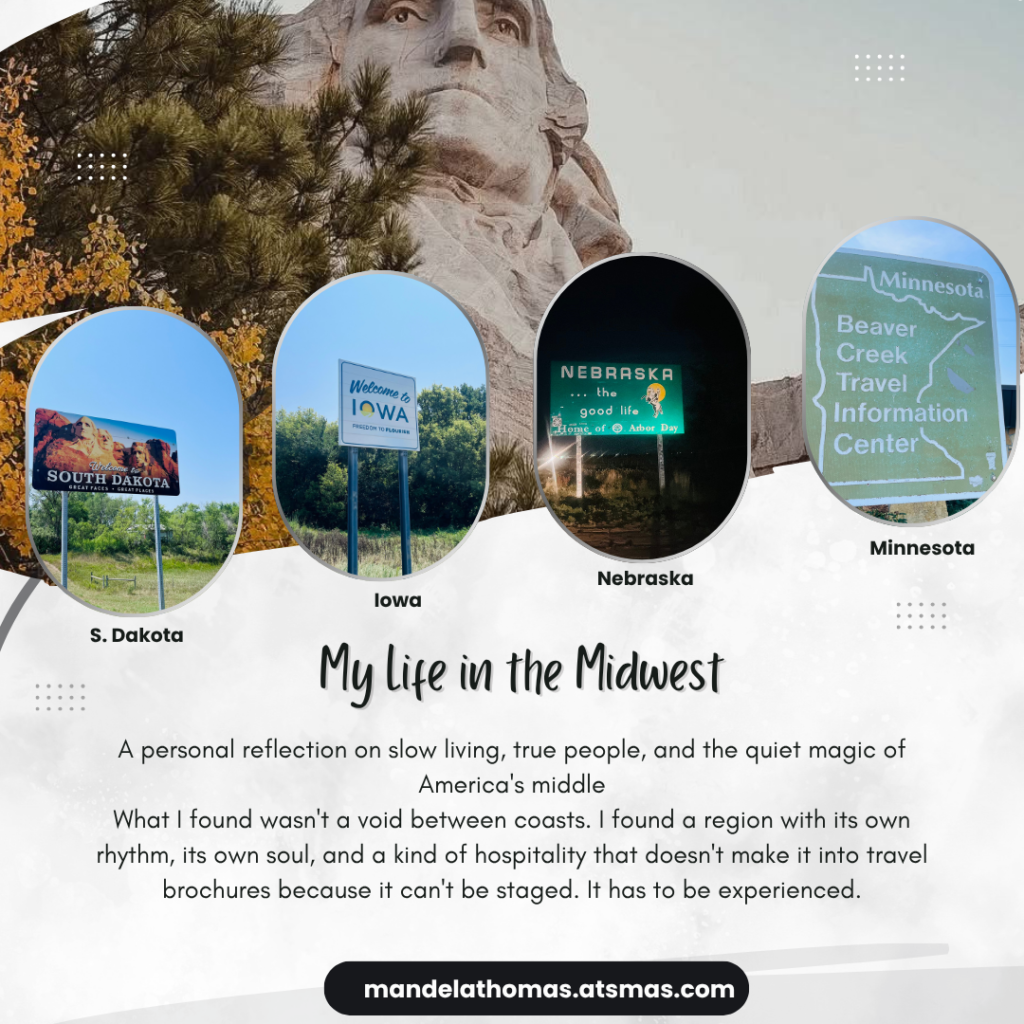
Living in the Midwest has taught me that you don’t need coastlines or mountain ranges or world-famous landmarks to find beauty. You need community. You need seasons that remind you time is passing and to pay attention. You need people who show up—not because they have to, but because they believe in showing up.
This region isn’t trying to impress anyone. It doesn’t need to. It knows what it is: hardworking, warm, unpretentious, and quietly extraordinary.
If you’re considering a move here, my advice is simple: come with an open heart. The Midwest doesn’t shout. It welcomes. It grows on you slowly, like the corn in July, until one day you realize you’re not just living here.
You’re home.
What has your Midwest experience been like? Drop a comment below—I’d love to hear your story.
Leave a Reply